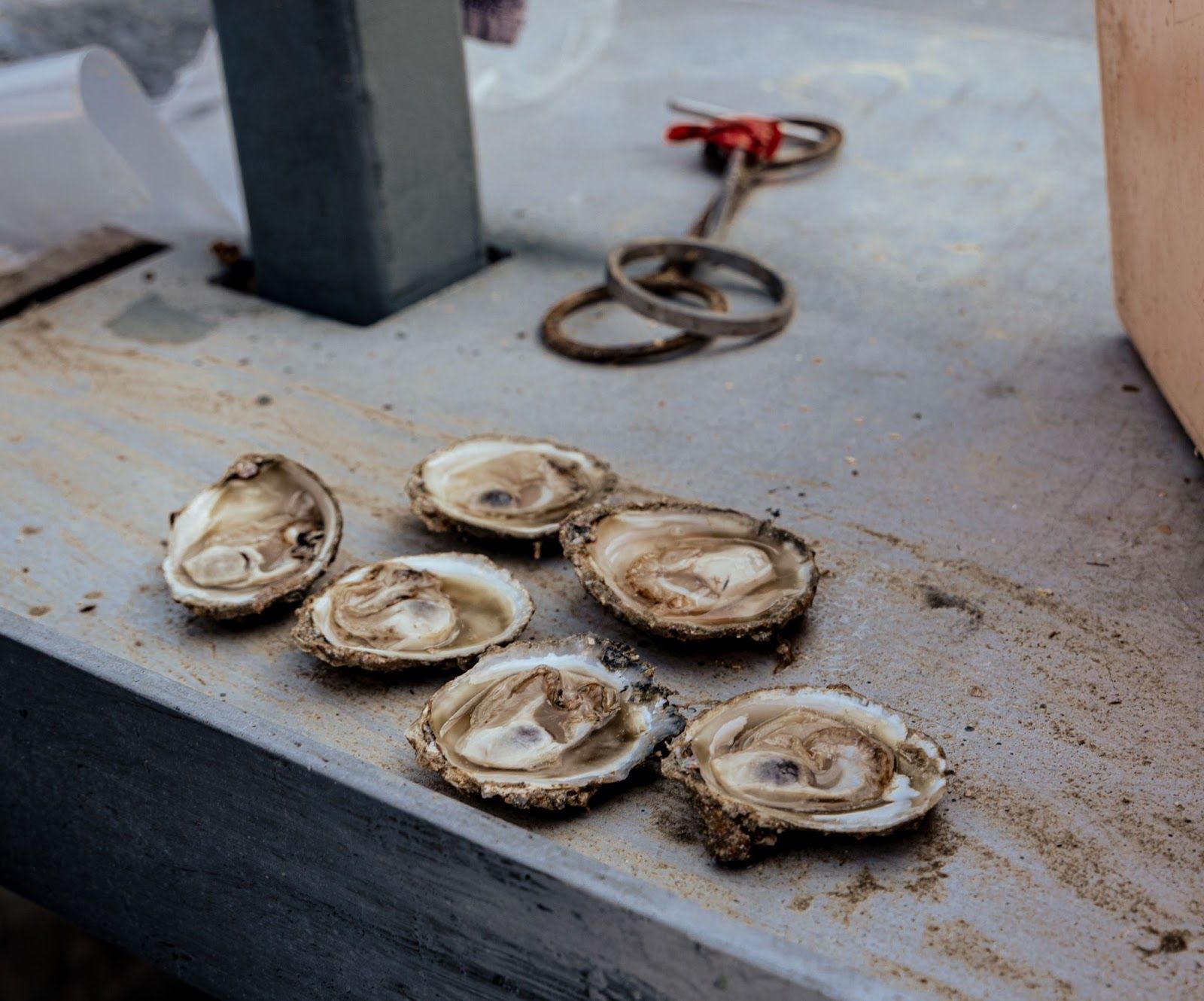
Dragonfly has been working alongside the Bluff Oyster Fishery, home of the famous bluff oysters, to digitise paper logbooks and provide faster analysis of catch trends throughout the season.
Bluff Oyster Fishery
Bluff Oyster Fishery is New Zealand’s oldest commercial fishery, and has been operating in Foveaux Strait for over 150 years.
Managed by the Bluff Oyster Management Company (BOMC), the fishery has been managed through the quota system since 1998, and works closely with MPI fisheries management teams, as well as NIWA for scientific input.
Over the years, the Bluff Oyster Fishery has faced many challenges, with the Bonamia parasite and natural fluctuations in oyster recruitment among the main pressures. Unlike other flat oyster fisheries that tend to thrive in sheltered estuaries, the Foveaux Strait is a high-energy, oceanic environment - making it a unique and more variable habitat. These environmental cycles can lead to significant changes in oyster density and quality. Stakeholders, including BOMC, Ngāi Tahu and Awarua Rūnanga continue to actively monitor and manage the fishery to ensure its long-term sustainability.
Digitising data
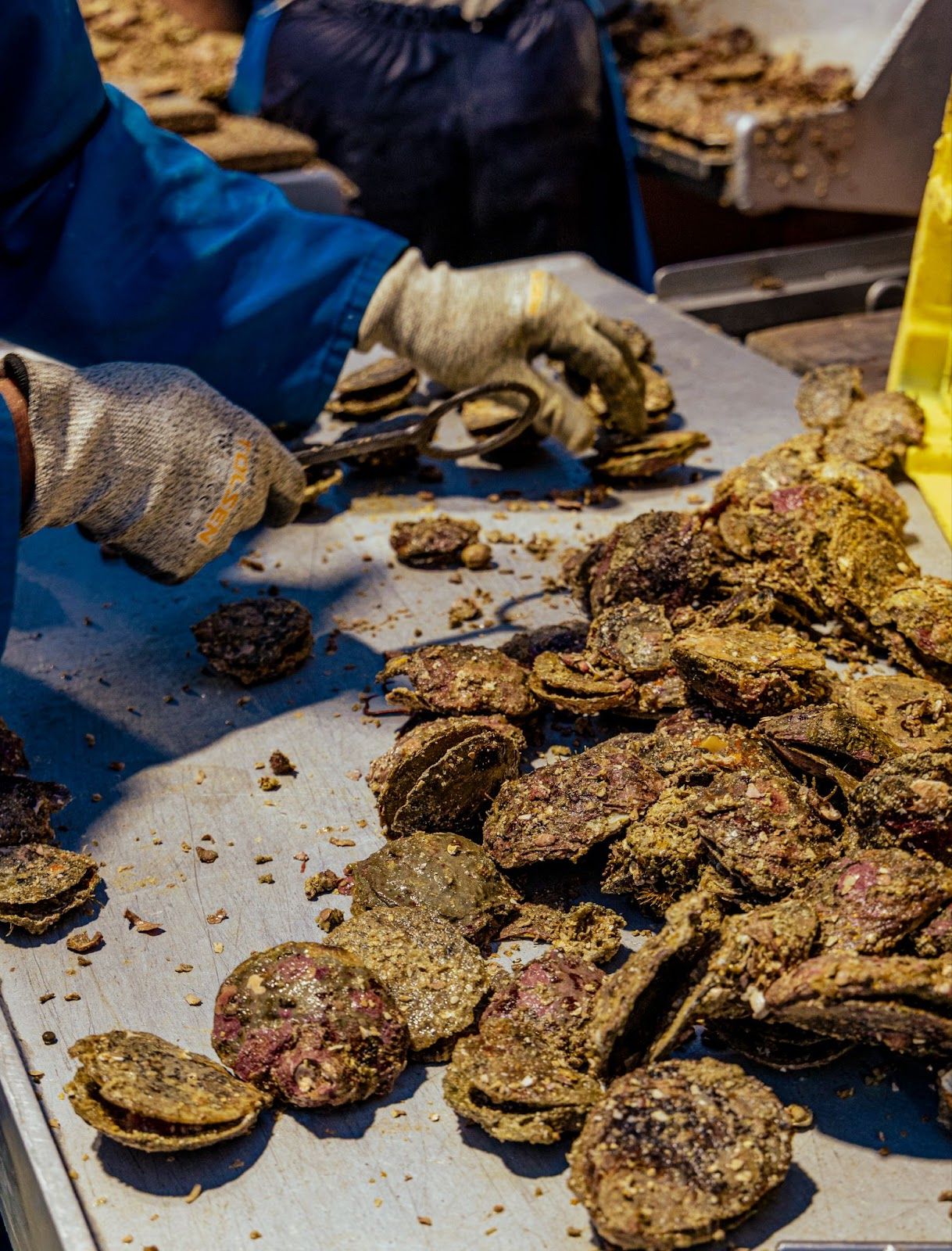
The fishery currently tracks catch data on paper logbooks, which covers everything from where the boats harvest and what they’ve caught, to size structure, disease, recruitment, bottom type and bycatch. This data is then manually checked and entered by the BOMC office.
Director and fisheries scientist at Dragonfly Data Science, Philipp Neubauer, says that with over 20 years worth of manually recorded data, this project is all about helping Bluff Oyster Fishery to manage the data better and aid their sustainability efforts.
“The challenge they face with their current approach is that they have to wait until the end of the season to assess whether or not it was successful,” he says.
The first step of the partnership was digitising the data by replacing the paper forms with electronic logbooks using iPads on the vessels so the crew can enter their numbers as they’re fishing. Dragonfly have been able to adapt the Deckhand app, used by fishers for their statutory reporting, to allow it to be used to also collect the logbook data.
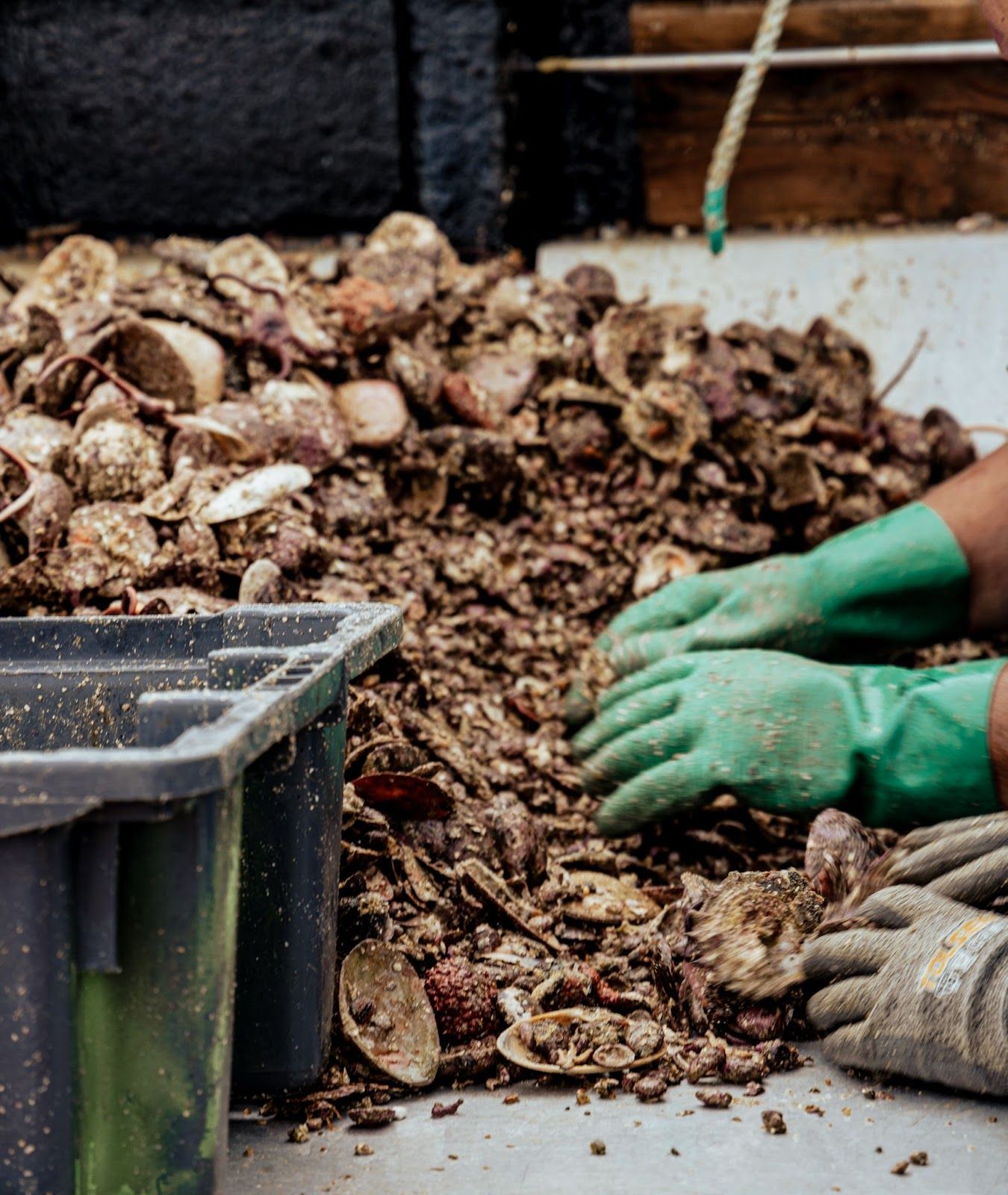
Digitising the data collection prevents double-handling and allows the data to be processed in real-time, meaning vessel skippers can make changes in-season to better manage fishery sustainability.
Oyster catch dashboard
UX Designer at Dragonfly, Kusal Ekanayake, has been helping build a dashboard that maps out fishing areas and helps better manage the long-term sustainability of the fishery, quality and quantity of oysters caught.
“Bluff Fishery operates nine vessels, with the dashboard each fisher will be able to see where their own vessels have harvested over time, and look at indicators such as densities, disease, recruitment, growth rates and quality,” he says.
“This ultimately helps to ensure the sustainability of the area and the fishery.”
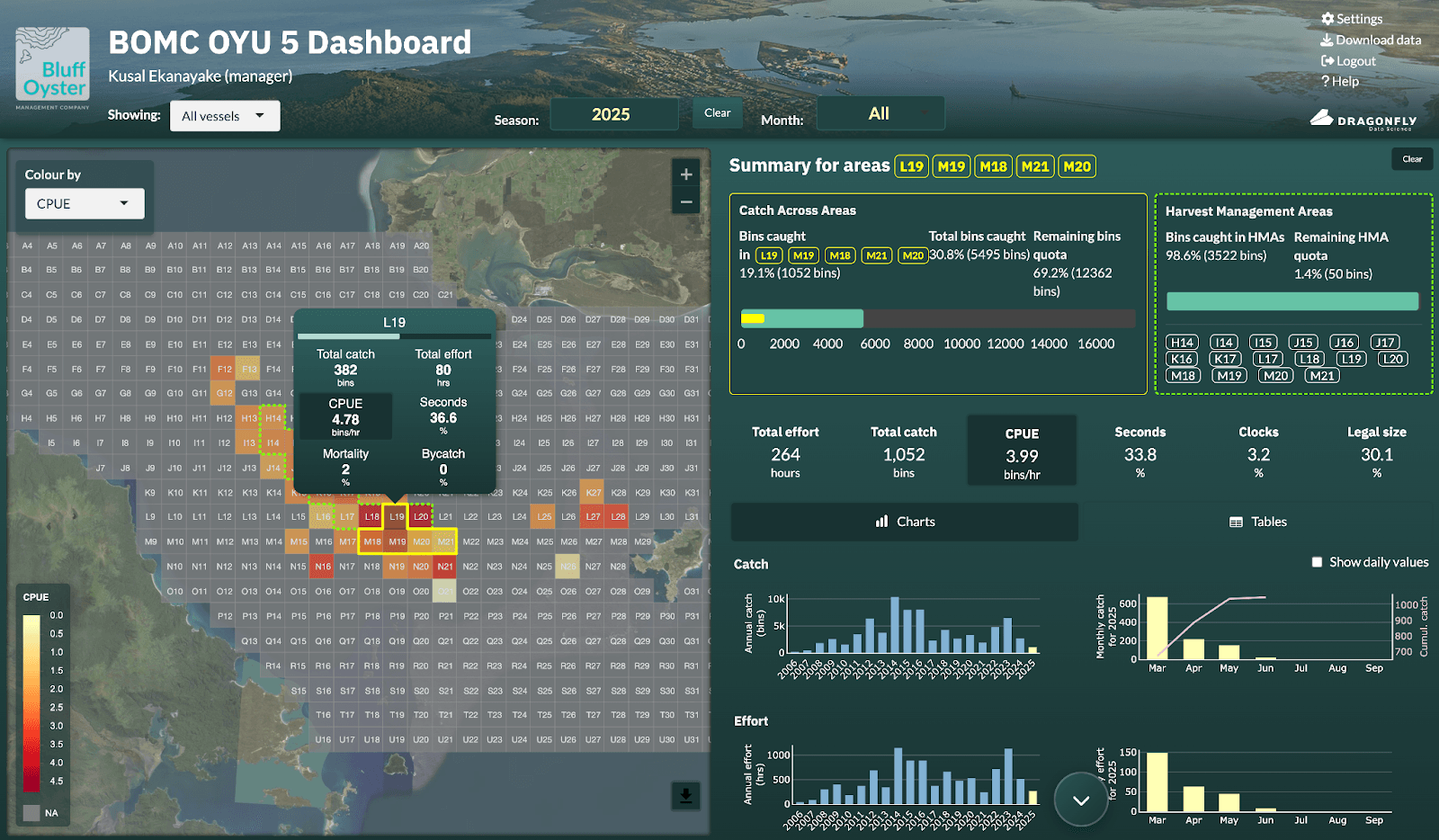
BOMC Operations Manager, Graeme Wright, says the dashboard is integral to better decision-making that impacts the quality of the catch for the rest of the season, and assists in long-term management of the fishery.
“We operate in a unique, wild, flat oyster fishery that’s shaped by natural cycles, disease, and environmental change-much of it beyond our control,” says Wright. The development of the logbook and dashboards assists us in tracking and understanding these trends over time, so we can manage the fishery more proactively and sustainably for future generations. Ultimately, we want to ensure another 150 plus years of delicious Bluff Oysters. This work is integral in helping us to achieve this.”