The New Zealand Government is proposing significant amendments to the Fisheries Act 1996 to modernise how we manage our fisheries. As fisheries science providers, we weighed in with our thoughts through a public submission.
Responsive fisheries management with management procedures
At Dragonfly Data Science, we regularly work in the fisheries sector, and are strong advocates for a responsive, transparent, and science-led approach to managing fisheries in Aotearoa.
Led by Dragonfly director and fisheries scientist, Dr Philipp Neubauer, we support aspects of the proposed amendments to the Fisheries Act 1996, in particular the use of management procedures (MPs), which are pre-agreed, science-based rules that allow catch limits to be adjusted using regularly-updated data.
“Fisheries management needs to be responsive,” says Philipp.
“If our data and technology are properly resourced, and processes are backed by solid science, we have a real opportunity to build an adaptable and robust system that keeps pace with changes as they’re happening in the ocean for the benefit of all stakeholders.”
Many of the changes being proposed aren’t new. Some of the amendments under considerations are standard practice in countries such as Australia and the United States, are being adopted by international fisheries organisations, and are backed by international conservation non-government organisations.
Through our work with Fisheries New Zealand and international bodies such as Regional Fisheries Management Organisations, we have seen the value of science-led fisheries management first-hand.
"Globally, fisheries need to strike a balance between long-term planning and the ability to respond when conditions change,” says Philipp. “Management procedures reduce risk, support long-term sustainability, and give communities greater certainty, while offering a transparent framework to manage this balance.”
“As long as we are guided by reliable data, robust science, and a transparent process, there’s no reason why New Zealand shouldn’t adopt these tools more widely as well.”
An amendment Bill is expected to be introduced later in the year, with opportunity for further consultation as the Bill goes through the Select Committee process.
Read more
- Dragonfly's full submission on the proposed reform
- Consultation documents on fisheries reform from MPI
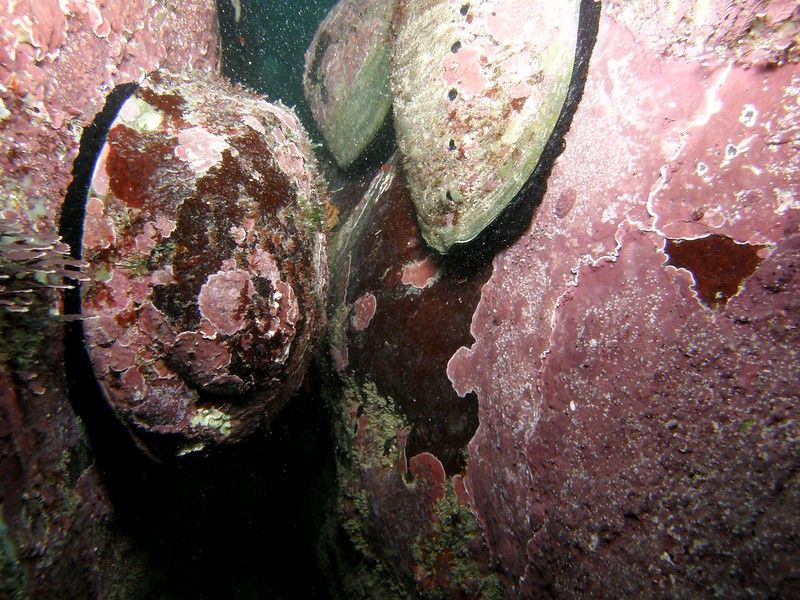
Pāua photograph CC BY Anna Barnett