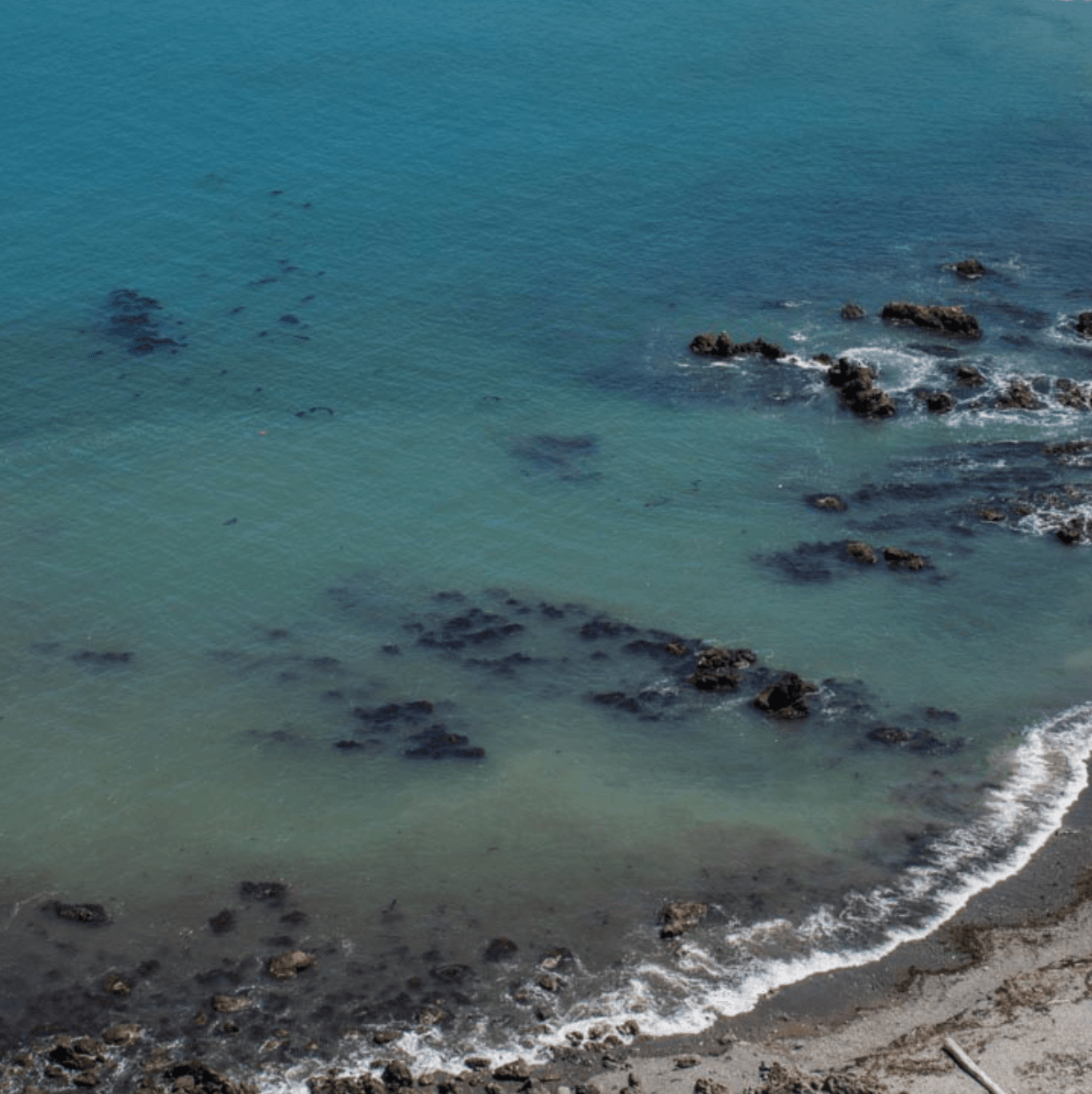
Following the catastrophic failure of the Moa Point wastewater treatment plant, authorities announced in late February that Wellington’s South Coast beaches had reopened. Wellingtonians are now invited to make their own calls on whether to dive in - but how do we know if it’s safe to swim?
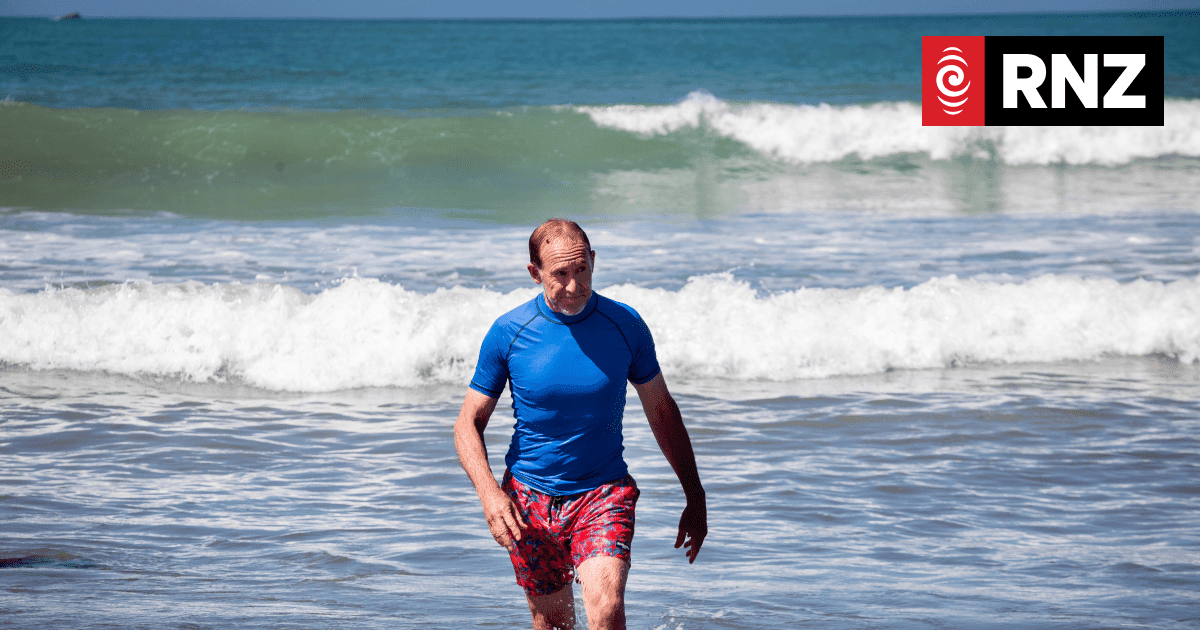
Wellington Mayor, Andrew Little, made the very effective announcement that the beaches were swimmable again with a dip in Lyall Bay in late February. Unfortunately, heavy rain then reversed this sentiment just days later, as several beaches briefly returned to ‘unsuitable for swimming’ status, confusing local residents.
Dragonfly Data Science Managing Director, Dr Edward Abraham, has been monitoring conditions closely over the past weeks, as an experienced oceanographer with a vested interest (also being an Island Bay resident).
Amid conflicting advice, Edward shares practical guidance for navigating Wellington’s beaches safely.
Understanding why it is actually safe to swim
As the Moa point wastewater treatment plant continues to discharge sewage, it is fair to question how the beaches are swimmable at all.
However, with the wastewater discharged about two kilometres offshore, Edward notes this is “much further than most swimmers, surfers, or kayakers would typically go”.
Ocean currents and natural dilution generally keep swimmers safe, with the strong flows of Cook Strait further reducing risk around Wellington. While swimming can often resume safely once conditions stabilise, it remains important to check local water-quality data and consider recent weather events before heading in.
Considering weather, tides and wind
In Wellington, rainfall - not the offshore discharge - is the main factor affecting beach water quality. Stormwater runoff can wash bacteria, sediment, and pollutants from urban areas into the sea, which is why swimmers are often advised to avoid the water for around 48 hours after heavy rain.
“If you see water coming into an urban environment from, say, a stormwater drain, second-guess your decision to jump in. That fresh water is carrying all the grime and dirt off the street, and in addition, you might have cross-over through the stormwater and the sewerage,” says Edward.
Tides and wind also influence how water moves along the coast, determining whether contaminants disperse offshore or return to beaches.
“If there’s a southerly that could blow back onto the coast, if the tide’s coming into harbour, it might take it towards those inner harbour beaches,” Edward explains.
Because conditions can shift quickly, he recommends planning swims around the tides and checking wind direction before heading in.
Checking swimming conditions online
For up-to-date guidance, Edward recommends Land, Air, Water Aotearoa (LAWA), which compiles water-quality monitoring data from councils nationwide.
“They upload their testing results, and they run these predictive models, and they’ve got a very simple traffic light system,” he says. “They put up the red light if they think it’s going to be unsuitable for swimming.”
LAWA predictions are largely based on rainfall and historical trends. Water samples, analysed for gut bacteria such as E. coli, take time to process, meaning results may reflect conditions from a day or two earlier. Checking Wellington Water’s daily updates adds further clarity, particularly when tides or wind might affect water movement along the coast.
Using a healthy dose of common sense
Official advisories provide guidance, but they can’t capture every local factor in real time. Therefore, Edward recommends combining this public data with situational awareness.
“Obviously, when you're going swimming, you want to know what it's like at that exact moment.”
For swimmers returning to Wellington beaches, the safest approach is combining online monitoring, understanding tides and weather, and observing local conditions to ensure a safe and informed swim.
Red-light advisories indicate an approximate 10% chance of getting sick for swimmers exposed to contaminated water, providing a tangible sense of risk.
So, if you’re still not convinced? A trip around to Oriental Bay or Hataitai Beach for peace of mind will never hurt.
Read more:
RNZ media coverage - How do you know if your beach is okay to swim at.
- RNZ Nine to Noon media coverage: Is my beach okay to swim at?
- LAWA swimming data: Can I swim here?
- Wellington Water daily updates: Results of water sampling following incident at Moa Point treatment plant